Category: opinion

  • What is Bluestronica ?

    People sometimes ask me what Bluestronica is. To be honest, I don’t have one fixed definition. For me, Bluestronica is music where blues and electronic music meet. Sometimes the blues is clearly present, sometimes it is hidden deeper in the music, but there is usually something from both worlds.

    A Bluestronica track can contain blues vocals, guitar, harmonica or a traditional blues groove. At the same time, it may use electronic beats, loops, samples, effects or synthesizers. There is no standard formula and every artist approaches it differently. That is one of the reasons why I find it interesting.

    Some people see Bluestronica as a genre, while others see it as a combination of influences. Personally, I don’t think the label matters very much. What matters is the music. If a track takes something from the blues and combines it with modern production techniques, it probably belongs somewhere in the Bluestronica landscape.

    The blues has never stood still. Acoustic blues became electric blues, and blues has influenced rock, soul, hip-hop and many other styles. To me, electronic music is simply another chapter in that story. New technology creates new possibilities. Sometimes the results work beautifully, sometimes they don’t, but the exploration itself remains interesting.

    What makes Bluestronica difficult to define is that it covers a wide range of sounds. Some artists stay close to traditional blues, while others move towards trip-hop, ambient music, dub or electronica. Two Bluestronica tracks can sound completely different from each other. The connection is often found more in atmosphere, rhythm or feeling than in specific instruments.

    The best way to understand Bluestronica is not through definitions but through listening. On this website you’ll find playlists, archives, artists and projects that explore different sides of the blues-electronic connection.

    Listen, explore and decide for yourself what Bluestronica means.
    This article is part of an ongoing exploration of the connection between blues, roots music and modern production techniques.

    You can also follow updates and new articles through LinkedIn, or explore the wider blues and roots catalogue at Black and Tan Records.

  • Keeping the Blues alive or frozen in time?

    “Keeping the blues alive” is often heard within blues societies, festivals and specialist media. It sounds noble but very often means keeping the blues exactly as it was.

    Instead of treating the blues as a living art form, parts of the scene turn it into a stylistic museum piece. A collection of familiar chord progressions, vintage tones and established clichés.

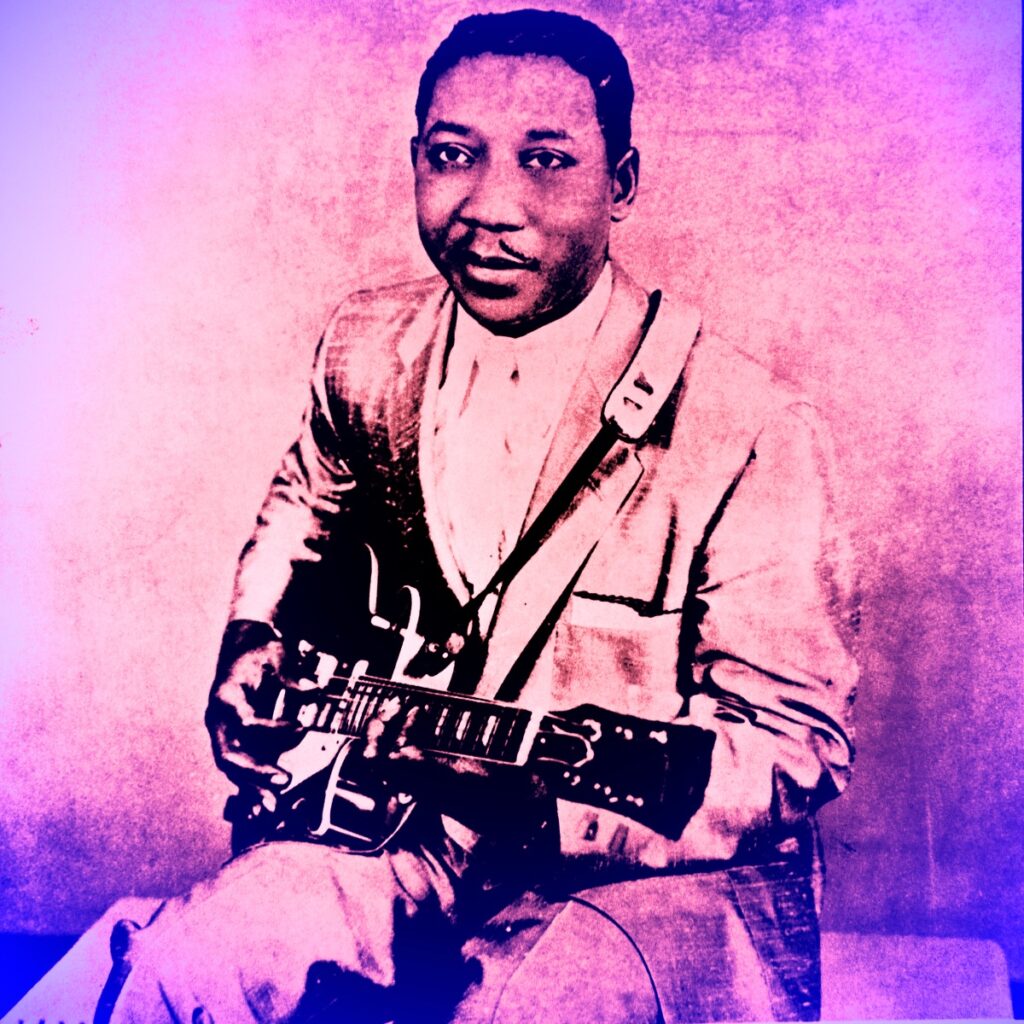
    The pioneers of the blues however were innovators. When artists like Muddy Waters and Howlin’ Wolf moved from the Mississippi Delta to Chicago, they did not preserve the acoustic Delta sound. They electrified it, making it louder, rougher and more more aggressive.

    The introduction of electric guitars and amplified harmonica on labels as Chess Records reshaped the blues completely. Without that technological leap there would have been no Chicago blues and thus no British blues explosion.

    Electricity and distortion once were considered a “modern corruption” of the blues. But today these elements are treated as the sacred tradition.

    Blues has always been more than a musical structure. It was a cultural response with coded social commentary, explicit storytelling, humor, sexuality, frustration, and critique.

    The communities that gave birth to the blues did not remain in 1930 or 1955 but they evolved. I strongly believe that if Muddy Waters or Howlin’ Wolf had emerged in the 1980s they would expressed themselves in more modern music styles.

    The cultural urgency that once shaped blues expression later found new outlets in genres like rap and hip hop. The frustration, the resistance, the commentary on inequality — those elements did not disappear but they migrated.

    For a big majority fo todays blues audiences dead legends are safer than living innovators. Icons whose styles are fixed in time cannot experiment and challenge expectations.

    Living artists, however, evolve. Musicians who incorporate loops, electronic elements, digital production techniques, or remix aesthetics into blues are often met with skepticism or even hostility.

    Amplifiers were once radical. Multi-track recording was once modern. Studio effects were once controversial.

    If the goal is truly to keep the blues alive, then the focus should not be on redoing the past with precision, but on continuing its spirit of innovation, confrontation, and cultural relevance.